The Lake Home Resource
FINGER LAKES REGION
Owning A Lake Home
Owning a lake home brings responsibilities and considerations that are different from owning a typical home. Shoreline and dock care, seasonal maintenance, changing water conditions, local regulations, and the surrounding environment all become part of caring for the property.
A Note from Bob
Thirty-Plus Years of Calling the Lake Home
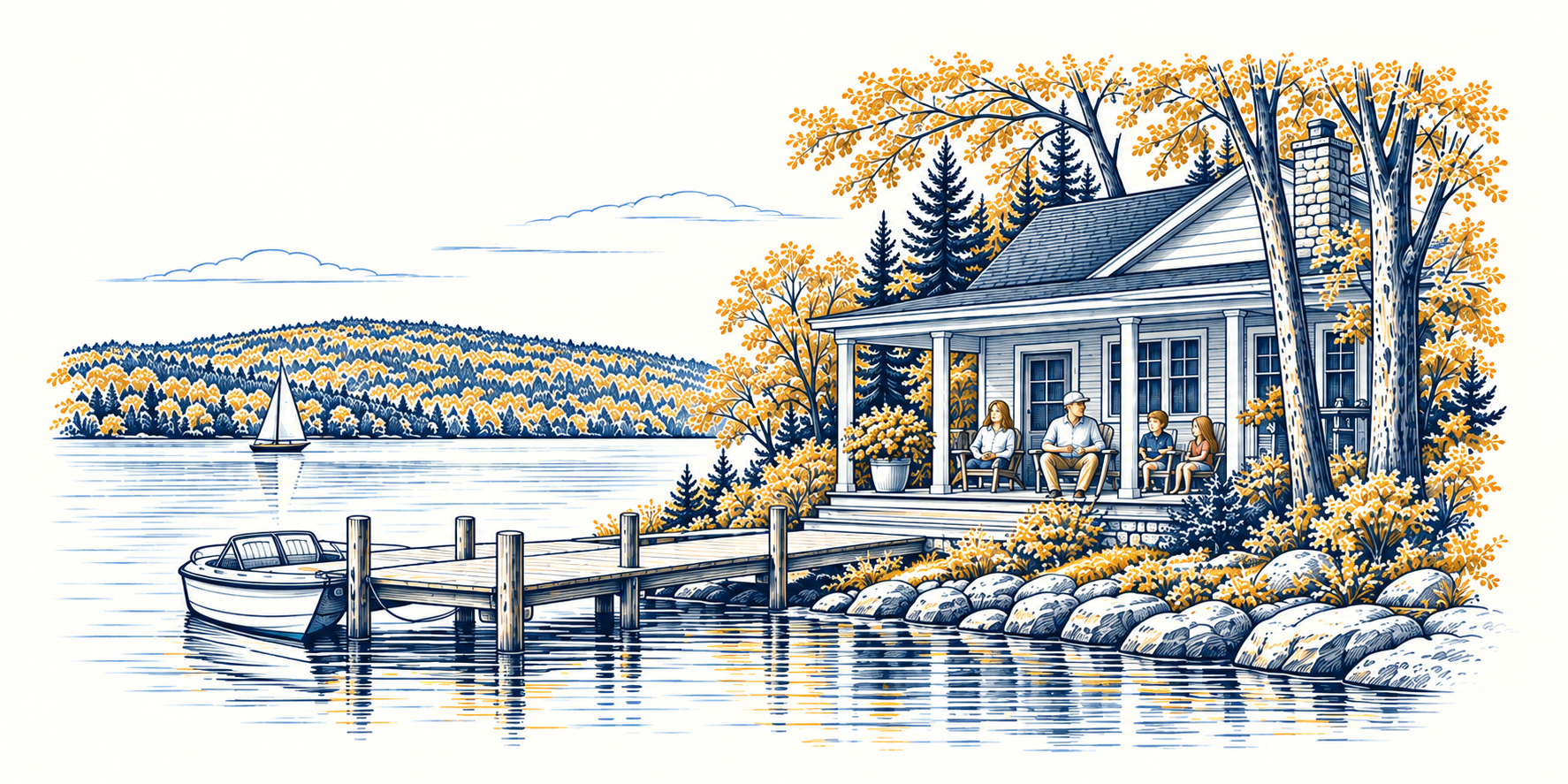
My family has owned a lake home for 30+ years. Over that time, I’ve come to appreciate both the joy of spending time by the water and the care that goes into keeping a lake home a place everyone can enjoy.
Lake ownership brings its own questions—from docks and shoreline maintenance to seasonal upkeep and finding someone you trust to help. Even after many years, there’s always something new to learn.
I’ve created this section to share practical information and useful resources that can help you care for your property and spend more time enjoying life at the lake.

Licensed Real Estate Broker
What needs attention right now?
Start with the topic that fits your question. Use this page as a starting point for conversations with local service providers and qualified professionals.
Seasonal care
A practical rhythm for opening, maintaining and closing your lake home.
Docks & shoreline
Plan inspections, upkeep and repairs for the waterfront you use every day.
Water & property systems
Understand your water supply, septic, heating and other essential equipment.
Projects & local rules
Find the right starting point before planning changes to your property.
A seasonal plan for your lake home
Keep a simple property-specific checklist and a record of recurring issues. Your home’s systems and the seasons when you use it should shape the plan.
Spring opening
Arrange a property check, review winter damage, and coordinate reopening of plumbing and water systems. Check docks, lifts, stairs and access before regular use.
Summer upkeep
Watch for leaks, drainage problems and changing shoreline conditions. Keep equipment maintained and review waterfront conditions before swimming or boating.
Fall & winter preparation
Coordinate winterization with qualified providers. Plan for boats and waterfront equipment, heating or shutdown needs, property checks and emergency access.
Bob’s tip: Keep dates, service contacts and photographs together so next season’s preparation starts with a useful record.
Care for your dock and shoreline
Look at the whole route from your home to the water—not just the dock. Identify concerns early and check project requirements before arranging work.
Docks & boat lifts
Review condition, anchoring, electrical equipment and seasonal installation or removal with an appropriate provider. Match equipment to your boat and property conditions.
Shoreline & drainage
Keep a record of erosion, drainage patterns and changes after storms. Seek qualified advice before altering the shoreline or repairing retaining structures.
Stairs, paths & trams
Include railings, walking surfaces, lighting and tram servicing in your maintenance plan. Consider how guests and service providers reach the waterfront.
Understand the systems that support lake living
Document what your home uses, who services it and what needs attention when the property is occupied or closed.
Water supply & treatment
Identify the source of your water and the equipment used to pump, store and treat it. Ask a qualified provider about testing, maintenance and seasonal care appropriate to your system.
Septic & wastewater
Keep available system plans and service records. Discuss inspection, maintenance and intended household use with the appropriate professional.
Heat, propane & backup power
Record fuel suppliers, equipment service schedules and shutdown procedures. Review backup power, internet and security needs with qualified installers.
Before you start a property project
Start with a clear description of the work and the property’s location. Use your lake’s government guide to identify relevant contacts, then confirm current requirements with the responsible authorities.
Common questions involve docks, shoreline repairs, additions, decks, drainage, tree work and changes to property use. Keep written approvals, plans and contractor records with your property documents.
Define the work
Prepare photographs, a basic scope and the questions you need answered before seeking estimates.
Check requirements
Contact the relevant local and other authorities for the particular project and location.
Keep a project record
Save permits, plans, warranties, invoices and before-and-after photographs.
Resources for your lake
Use the published lake health and government guides to find local organizations, municipal contacts and starting points for property questions.
Cayuga Lake
Explore lake stewardship resources and the local government guide for your property.
Seneca Lake
Explore lake stewardship resources and the local government guide for your property.
Keuka Lake
Explore lake stewardship resources and the local government guide for your property.
Skaneateles Lake
Explore lake stewardship resources and the local government guide for your property.
Canandaigua Lake
Explore lake stewardship resources and the local government guide for your property.
Owasco Lake
Explore lake stewardship resources and the local government guide for your property.
Protect the lake you love
Small property decisions can support thoughtful lake stewardship. Use your lake health guide to learn about local efforts and opportunities to participate.
Consider how runoff moves across your property, discuss shoreline planting options with knowledgeable professionals, maintain wastewater systems, and learn about responsible boating and aquatic invasive species prevention from local organizations.
Plan for the complete cost of ownership
A useful ownership budget includes routine bills, seasonal services and the equipment or structures you may eventually need to replace.
Recurring expenses
Track property taxes, insurance, utilities, fuel, routine maintenance and seasonal dock or lift services.
Future replacements
List major systems and waterfront structures, their condition and the next evaluation or service needed. Obtain estimates to inform your reserve planning.
Insurance conversations
Describe your seasonal use, waterfront equipment, boats, guests and any rental activity to your insurance professional. Ask which exposures your policies address.
Bob’s perspective: My background in finance helps me look beyond the purchase price to the longer-term responsibilities of owning a lake home.
Manage your home while you’re away
A clear plan makes it easier for the right person to respond when something needs attention.
Property checks
Agree on who checks the home, how often, what they review and how they report concerns—especially after storms or extended vacancies.
Monitoring & alerts
Discuss leak, temperature, power and security monitoring with your providers. Decide who receives alerts and who can respond locally.
Emergency contacts
Keep service contacts, access instructions and relevant shutoff information available to trusted people. Review the plan before each extended absence.
Find local help through The Lake List
Explore service categories for your home and waterfront, then contact providers to discuss your property, availability and scope of work.
Start with dock and lift services, shoreline work, septic, water supply and treatment, propane, tram installation and servicing, property maintenance and seasonal support. Directory coverage will grow as additional providers are added.
Questions lake homeowners often ask
These are useful starting points for organizing your next step.
Where should I begin with a spring opening?
Start with your prior closing checklist and service records. Arrange an initial property check and coordinate system reopening with the providers who know your equipment.
Who should I contact before changing my dock or shoreline?
Use your lake’s local rules guide to identify contacts. Describe the specific work and confirm which authorities and approvals apply before starting.
How can I find help when I do not live nearby?
Look for providers who serve your location and agree on a written scope, access arrangements, communication expectations and response procedures.
Can Bob help with an ownership question?
Yes. I can help you identify useful resources, frame the questions to ask and find the appropriate professionals for specialized work.